Padmasana (Lotus Pose) – How to do and Its Benefits
Padma = Lotus, asana = posture or pose or position
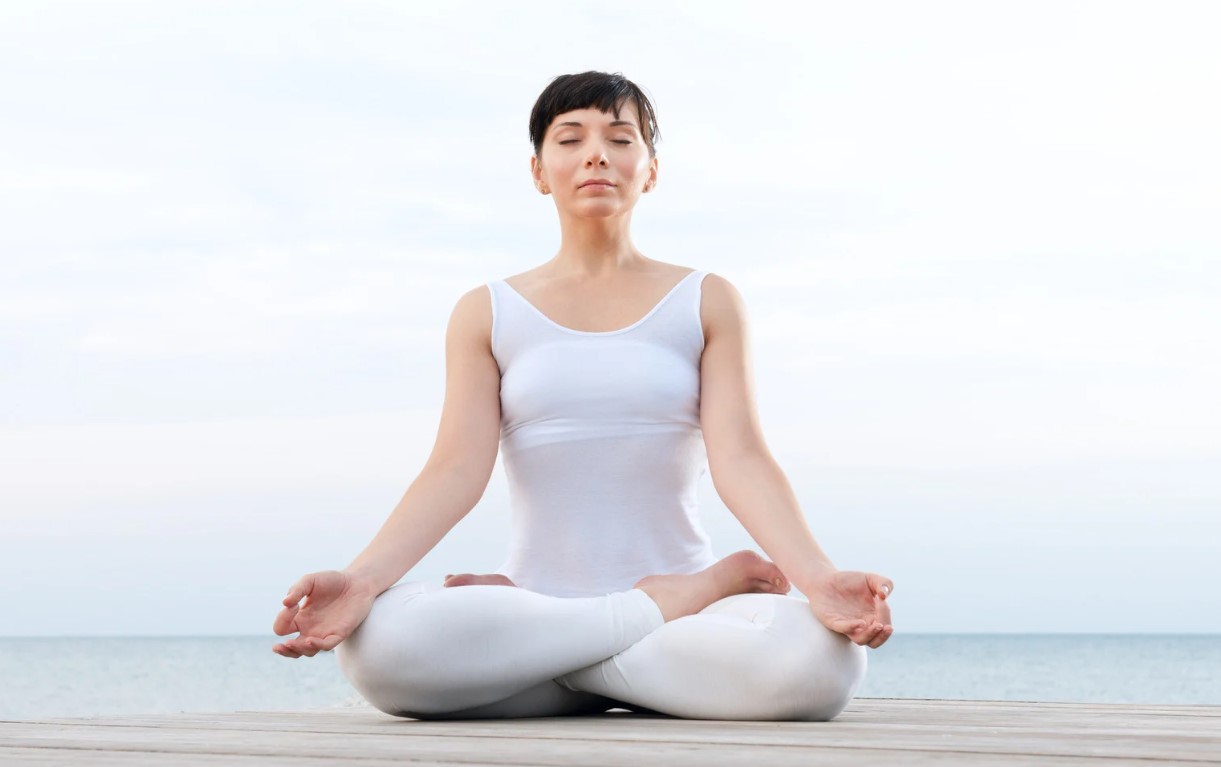
Padmasana or Lotus position is an ancient yoga posture practiced by sitting cross-legged and it can help one a lot through its physical benefits and by calming the mind thus enabling deeper meditation. Practicing this posture constantly helps the practitioner to develop in all aspects like a flower; and this is the reason for the name Padmasana.
How to do Padmasana
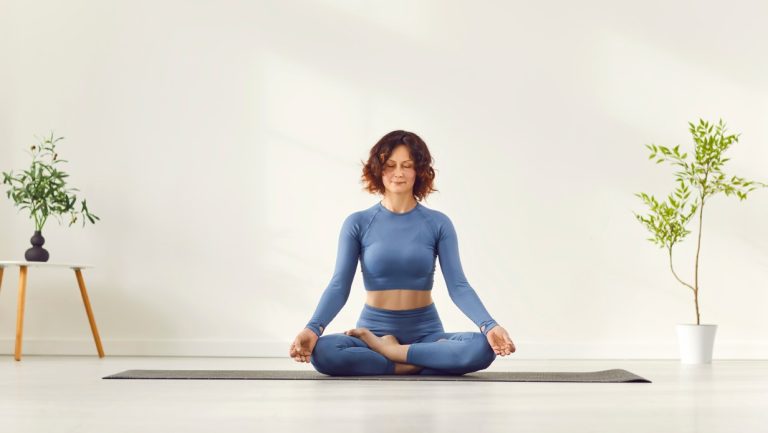
- Sit on the floor or on a mat with legs stretched out in front of you while keeping the spine erect.
- Bend the right knee and place it on the left thigh. Make sure that the sole of the feet point upward and the heel is close to the abdomen.
- Now, repeat the same step with the other leg.
- With both the legs crossed and feet placed on opposite thighs, place your hands on the knees in mudra position.
- Keep the head straight and spine erect.
- Hold and continue with gentle long breaths in and out.
Join our kundalini yoga teacher training in india
Padmasana for Beginners
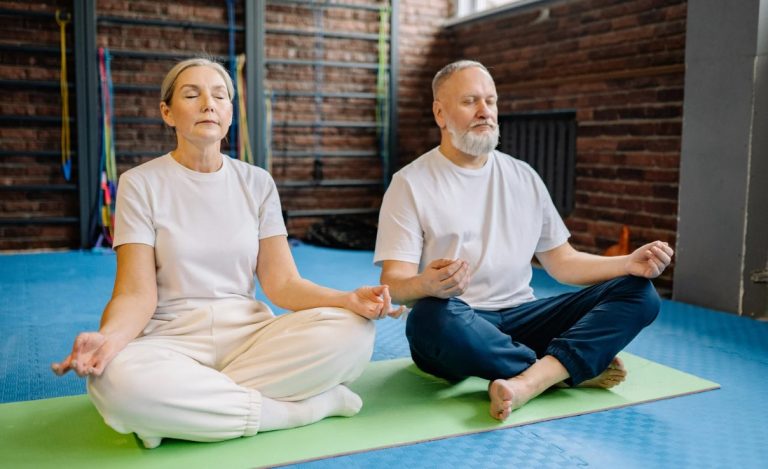
If you have problems overlapping both your legs and sitting in Padmasana, you may also sit in Ardha – Padmasana (Half – Lotus pose) by placing any one leg on the opposite thigh. Continue doing so till you feel flexible enough to progress to Padmasana.
Contra-indications: Those who suffer from sciatica or weak or injured knees should not perform this asana. This asana should not be attempted until flexibility of the knees has been developed through practice of the pre-meditation asanas. It is not advisable during pregnancy as the circulation in the legs is reduced.
Padmasana benefits
1. Enhances posture and spine positioning
Padmasana promotes a straight spine and relaxed shoulders, which facilitates breathing and blood circulation—the natural spinal curve being very supportive for those who restrict sitting hours and helping a lot for breathing and circulation.
2. Increases lower‑body flexibility
The asana works on the flexibility of the lower body; specifically, through the hips, ankles, knees, and thighs the regular and careful practice leads to a big increase in mobility, a drop in injury risk, and also a relieving of joint and muscle tension (beginner should very slowly move to protect the knees).
3. Supports tranquillity and brings down stress levels
The firm and inactive ground provided by Padmasana is just right for breathing exercises and meditation, thus enhancing the abilities to focus, to be aware of one’s emotions and thoughts, and to self-regulate these, besides which one is surrounded by an atmosphere of peace and calm.
4. Boosts blood circulation
The position by which one has legs crossed facilitates blood flow in the regions of the abdomen, spine, and pelvis, thus promoting the supply of nutrients to the organs and the purging of toxins, not to speak of assisting the movement of subtle energy (prana) through the nadis.
5. On the increase are joints and ligaments
The longer one stays in the pose the more power one develops in the muscles around the hips, knees, and ankles, thus giving one’s ligaments and joints enhanced support and resilience over a period of time.
6. Enhances meditation and spiritual practices
In every tradition Padmasana has been held in the highest regard as a practice of yoga and meditation particularly in the Buddhist way and the experience of such practitioners as kundalini awakening and nicely creating a balanced and symmetrical posture which becomes conducive for the meditation practice.
7. Supports digestion and alleviates menstrual cramps
Regular practice of the pose has been associated with the benefits of supporting digestive function and alleviating menstrual cramps and abdominal tension as a result of the gentle pressure on the lower abdomen and increased circulation in the pelvic area.
for more info about padamasana you can visit yoga school in india and join 200 hour yoga teacher training in india