Siddhasana (Accomplished Pose) – How to Practice, Its Benefits, and Precautions
Siddhasana (Accomplished Pose) is an age-old, much-enjoyed and commonly practised seated yoga posture which is often referred to if not directly mentioned in the classical texts like the Hatha Yoga Pradipika and Gheranda Samhita.
-Siddhasana means “accomplished pose” or “perfect pose” in Sanskrit, combining “siddha” (meaning “accomplished” or “adept”) and “asana” (meaning “posture”). It is a traditional seated yoga posture used for meditation and is believed to help achieve spiritual enlightenment, physical perfection, and the awakening of hidden powers (siddhis).
It is an advanced and deep meditation as well as spiritual awakening facilitator thereby aimed at first calming the mind and then matching the body’s energy levels.
Various yoga systems regard it as a process of purification of physical as well as spiritual bodies through a series of stages and eventually express the higher state of consciousness by different practices like meditation, pranayama, and subtle-energy work.
This pose is believed to clean the impurities in 72000 energy channels in the body. It is also said to be beneficial for meditation, breathwork and subtle energy practices.
check out our kundalini yoga teacher training in india
Why Siddhasana?
One of the important questions that arise here is why Siddhasana is also relevant for common people, other than Yogis or people who are not onto the path of spirituality. The answer lies in the act that continuous practice of this asana stretches the hips, abductor, knees and ankles. It is a good hip opener exercise. Further, it helps to reduce stress and anxiety levels.
As per Hatha Yoga Pradipika, the practice of this pose purifies all the 72,000 Nadis or energy channels within the body, by which the prana flows. Further, it is also called the chief of other asanas.
Who should not do Siddhasana?
- People who are suffering from any knee, or ankle injuries should not perform this pose
- If you are having slipped disc, sciatica or sacral problems, then you should try avoiding doing the pose
- Try to keep your spine straight and elongated while performing this asana
- Do not sit in this posture, if you are feeling any discomfort in this pose
How to do Siddhasana?
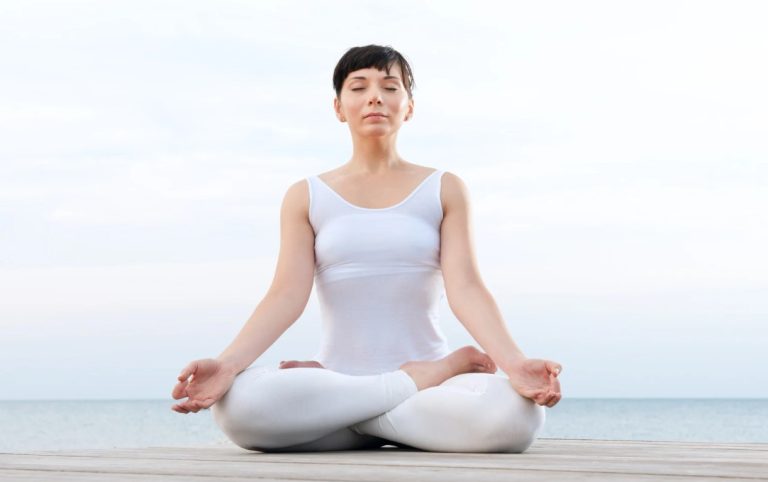
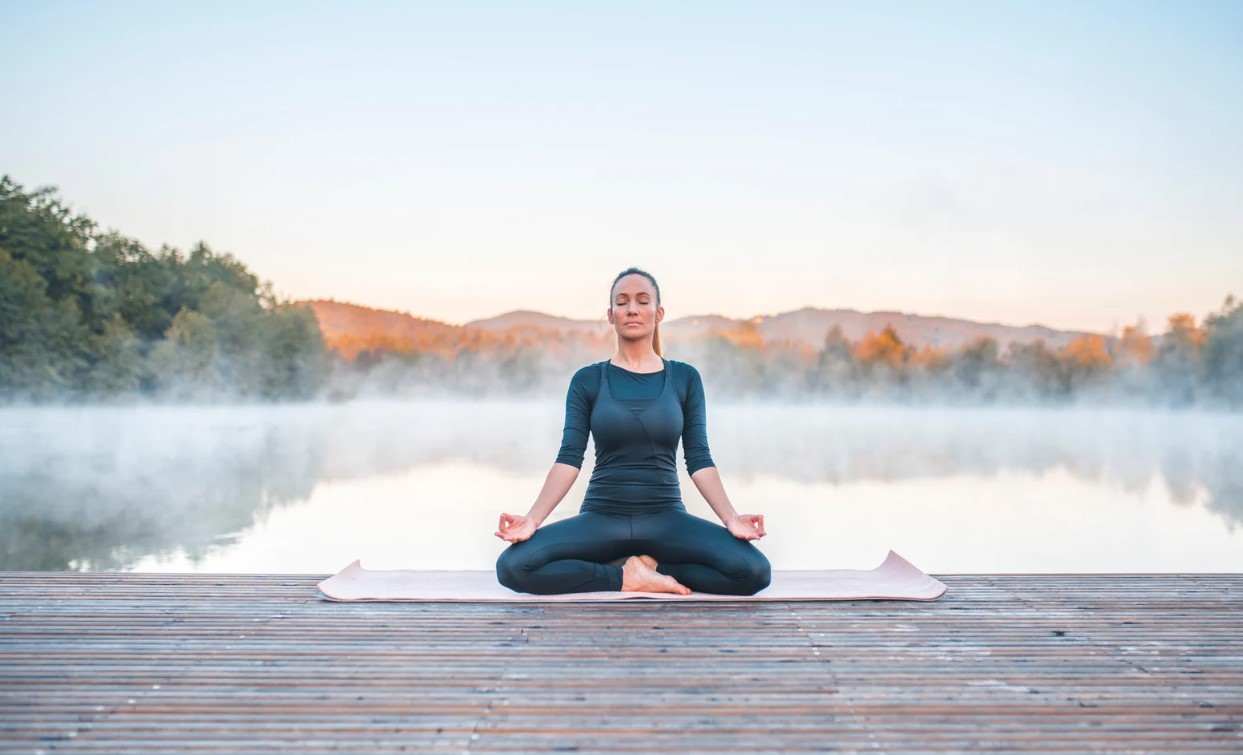
Siddhasana (Accomplished Pose) is one of the powerful poses in yoga, which can be called a tool for transformation. Here is a step-by-step description on how to do it.
- Sit down on the floor comfortably with your legs extended.
- Now, slowly fold your left leg, bringing your left heel near your perineum.
- Ensure that the sole of your foot presses against your right inner thigh.
- Now, fold your right leg and place its heel directly above the left heel.
- Make sure both your knees are touching the floor or at least close to the floor.
- Keep your spine tall, chest lifted, and chin slightly tucked.
- Keep your hands resting on your knees. You can also make gyan mudra.
- Now, close your eyes and bring your awareness inward.
- Breath steadily and deeply, and focus on your breath.
- You can sit in this meditative position for as long as you feel comfortable.
Siddhasana Benefits
- Stretch the front of your ankles.
- Strengthens calf muscles.
- Stretches your groin muscles, which helps improve hip flexibility.
- Stretches inner thighs/hip adductors.
- It’s a great hip opener.
- Strengthens your lower back.
- Builds strength in your erector spinae muscles (the muscles that help you sit up straight).
- Strengthens your core.
- Sitting in Siddhasana while meditating or practicing pranayama can help calm your nervous system.
- Siddhasana directs the energy from the lower psychic centres upward through the spine, stimulating the brain and calming the entire nervous system.
- The position of the lower foot at the perineum presses mooladhara chakra, stimulating moola bandha, and the pressure applied to the pubic bone presses the trigger point for swadhisthana, automatically activating vajroli/sahajoli mudra. These two psycho-muscular locks redirect sexual nervous impulses back up the spinal cord to the brain, establishing control over the reproductive hormones which is necessary in order to maintain brahmacharya for spiritual purposes.
- This posture redirects blood circulation to the lower spine and abdomen, toning the lumbar region of the spine, the pelvis and the abdominal organs, and balancing the reproductive system and the blood pressure.
Practice note: Siddhasana may be performed with either leg uppermost. Many people experience discomfort due to the pressure applied where the ankles cross each other. If necessary, place a folded cloth or piece of sponge between the legs at this point. At first the pressure at the perineum may be uncomfortable to maintain, but with practice this will be eased.
For more info about the siddhasana meditation pose, you can visit a yoga school in india and join 200 hour yoga teacher training in india