100-Hour Kundalini Yoga Teacher Training in Rishikesh (Kundalini, Hatha , Ashtanga, Yin & Ayurveda with Healing Session)
Course Duration (With Stay): 13 Days.
The 100 Hour Kundalini Yoga Teacher Training is designed for those who want to go beyond physical yoga and experience the deeper dimensions of energy, awareness, and transformation. Known as the “Yoga of Awareness,” Kundalini Yoga works with the awakening of dormant energy at the base of the spine and its movement through the chakras toward higher consciousness.
This program is not limited to techniques—it is a structured process of understanding how your body, breath, mind, and energy function together. Whether you are a beginner, practitioner, or teacher, this course builds a strong foundation in Kundalini practices with authentic traditional depth and modern clarity.
Rooted in traditional yogic and tantric knowledge, this course introduces you to the concept of Kundalini Shakti—the dormant energy within—and provides the tools to gradually awaken, balance, and channel this energy safely. Unlike modern interpretations of yoga that focus only on postures, this training emphasizes awareness, discipline, and direct experience.
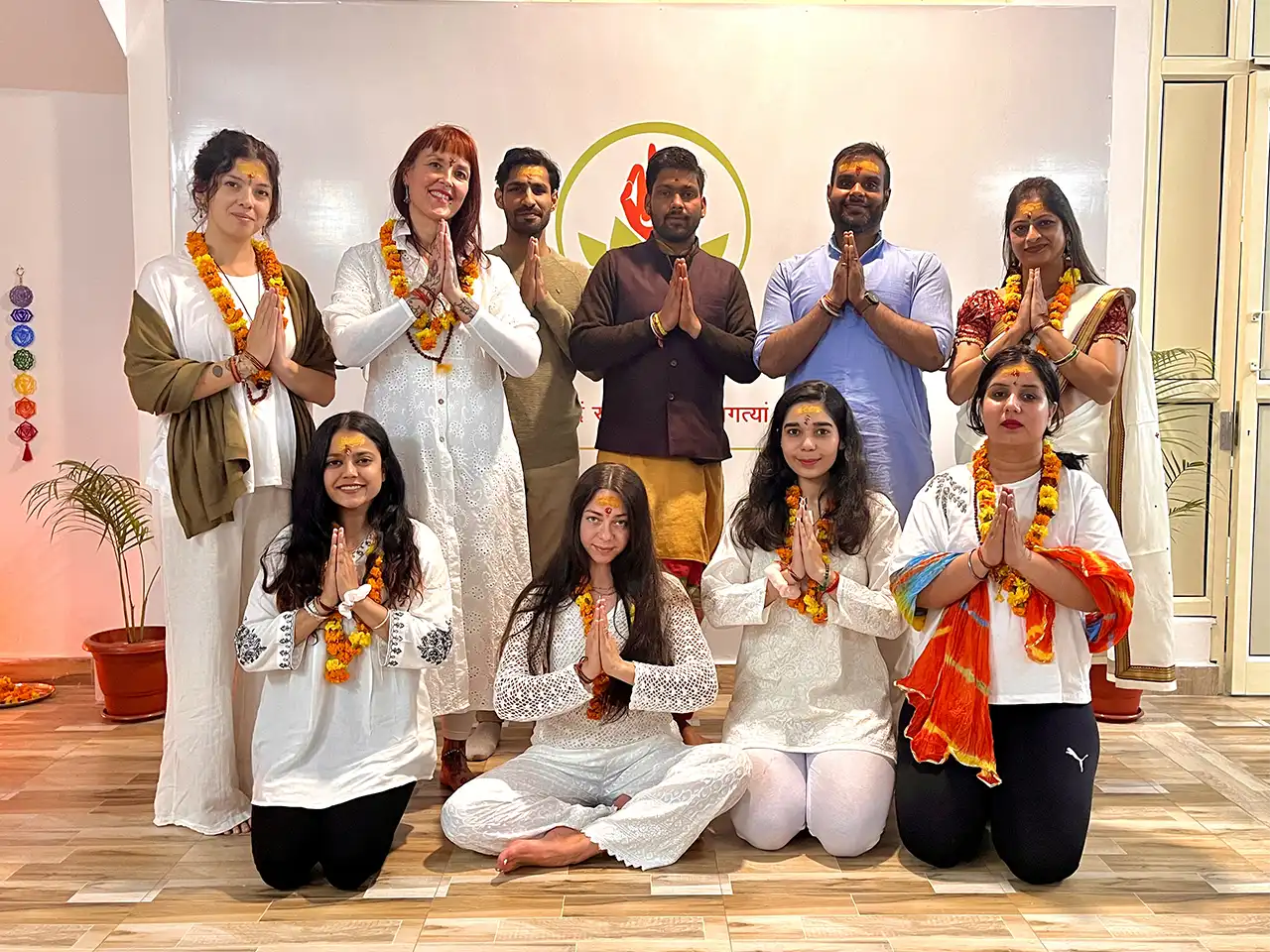
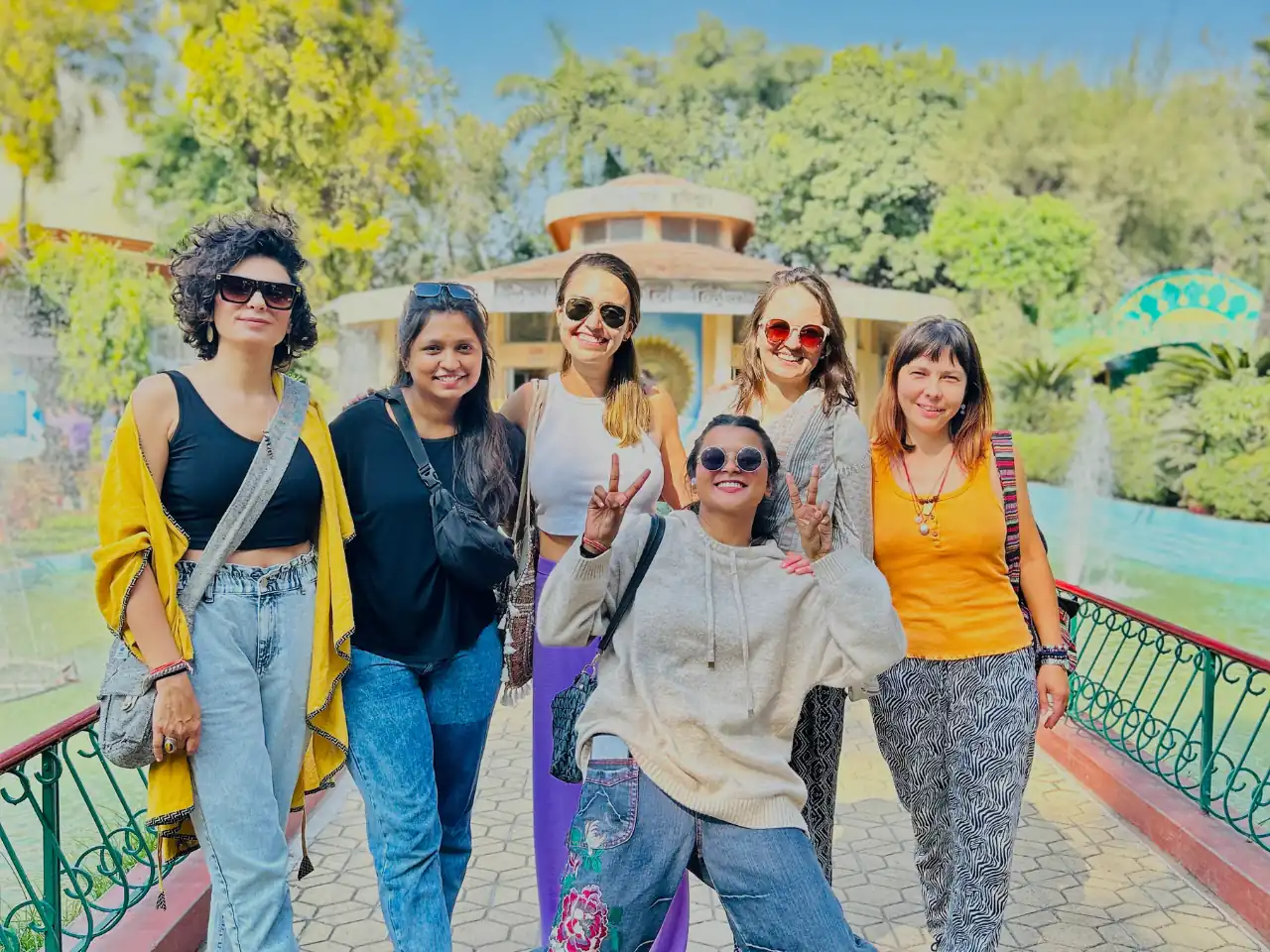
The community atmosphere here welcomes practitioners from all corners of the world, making the experience rich with shared cultures, perspectives, and stories. It’s not just about becoming a teacher — it’s about becoming part of a lifelong family connected through the shared journey of Kundalini awakening.
Completing the Kundalini Tantra Yoga Teacher Training in Rishikesh is an initiation into a path that continues long after the 100 hours end. The tools, experiences, and inner shifts gained during this time are carried into daily
This course places Kundalini Tantra as a core subject, and it will be clearly mentioned on your certification. The approach remains rooted in the traditional understanding of Tantra and Yoga, recognizing their common origin and purpose.
Along with the standard curriculum, you will have one dedicated Kundalini Tantra-focused class every day, where you will learn how classical yogic practices can be applied specifically for energy awareness and activation. The emphasis is not on complexity, but on building a strong and stable foundation.
The primary focus is to develop clarity in practice and understanding, so you can gradually experience and work with the Shakti within in a balanced and guided way.
Please Read Carefully.
- * Check-In on 2nd between 11AM - 4PM.
- * Orientation & Opening Ceremony on 2nd.
- * All classes will start on the 3rd at their given time.
- * All Classes will end on the 13th.
- * Farewell & Checkout on 14th by 11:00 AM.
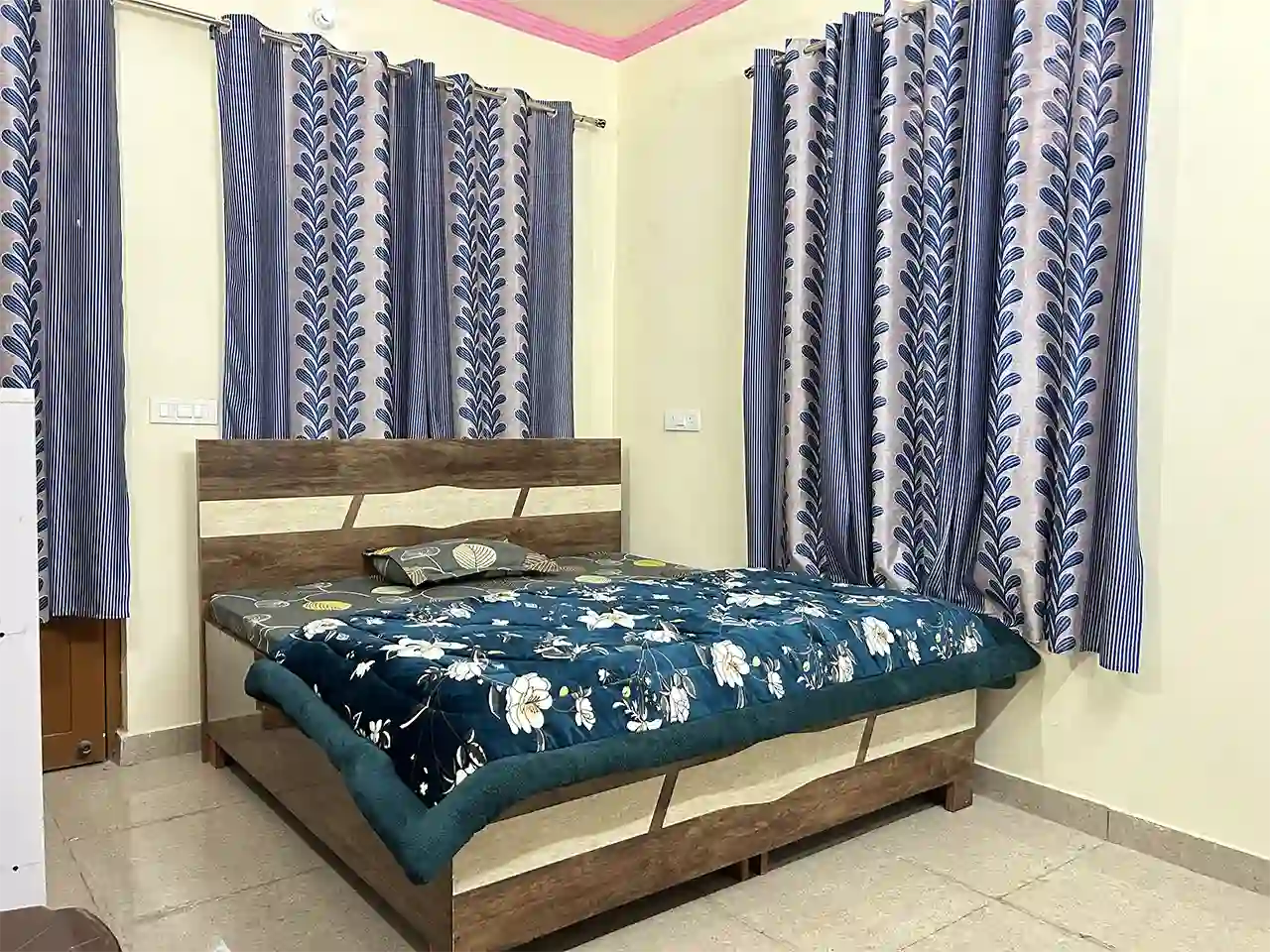
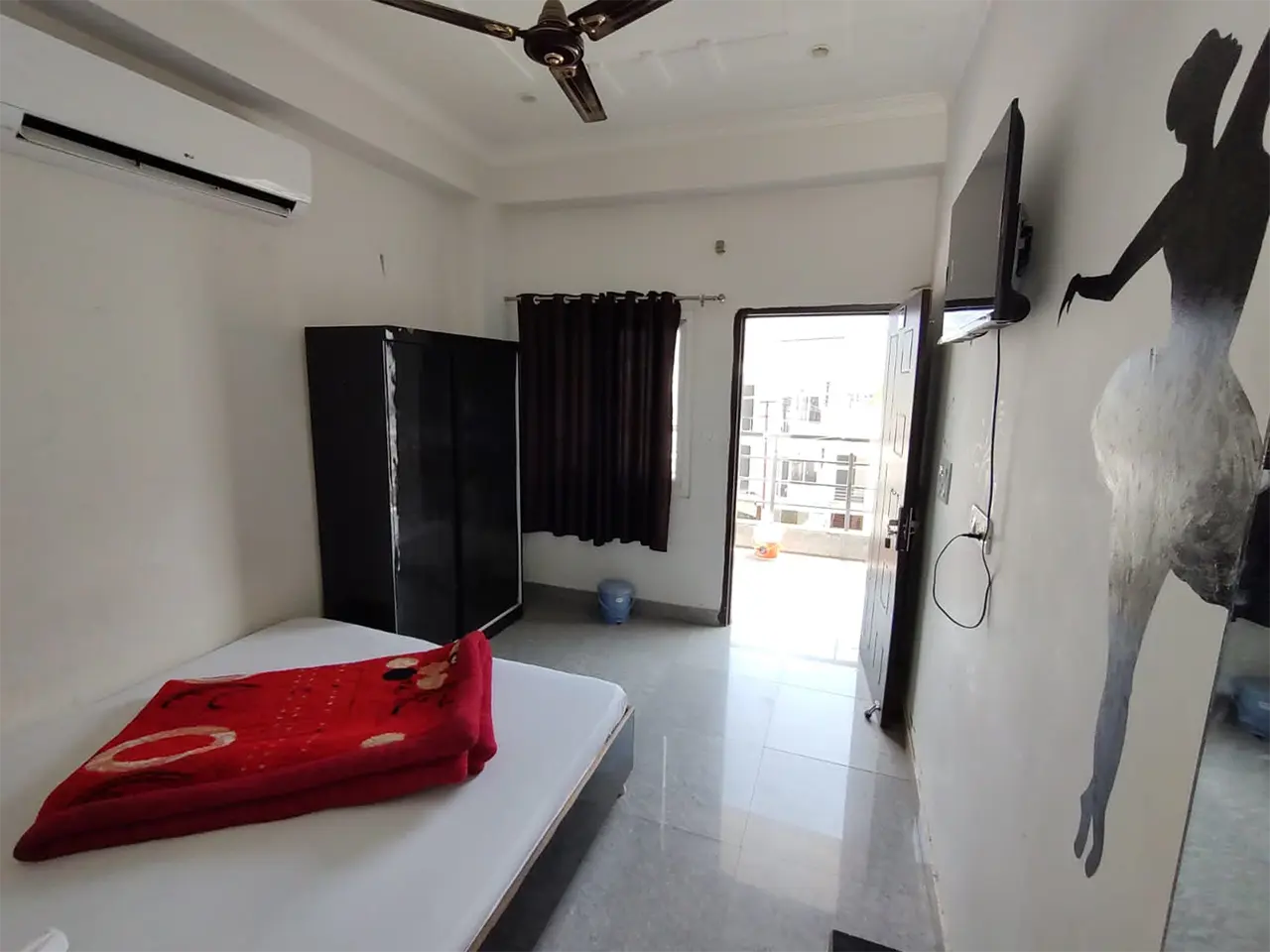
- * AC and room heaters are available upon request at an additional charge.
- * Please read all the School Policies carefully.
- * 100% attendance in all courses is mandatory; uninformed and irrelevant absences will be considered for cancellation of certification.
- ** Pickup or Drop service is only included with Twin Sharing & Private Accommodation participants.
What Is Kundalini?
Kundalini Yoga is often referred to as the Yoga of Awareness. It is a system that works directly with the energy body through a combination of kriyas, pranayama, meditation, mantra, and internal focus.
At its core lies the concept of Kundalini Energy, which is described in yogic texts as a dormant force located at the base of the spine. Through consistent practice and proper guidance, this energy can be activated and guided upward through the chakras, leading to higher states of awareness and clarity.
Kundalini Tantra is a sacred science handed down from guru to disciple, preserved in scriptures such as the Śiva Saṁhitā, Gheraṇḍa Saṁhitā, Hatha Yoga Pradīpikā, and the tantric upaniṣads.
-
Unlike other forms of yoga that primarily focus on flexibility or strength, Kundalini Yoga works on:
- * The nervous system
- * The glandular system
- * The subtle energy channels (nadis)
- * Mental and emotional patterns
In this tradition, awakening is not forced. It is cultivated through a harmonious integration of āsana, prāṇāyāma, mudrā, bandha, mantra japa, dhyāna, and above all, the guidance of a realized teacher. Each practice purifies the nāḍīs, balances the prāṇa, and prepares the mind to receive higher states of awareness without disturbance.
Kundalinī Tantra does not reject the world — it sanctifies it. Every sense experience, every action, and every thought becomes an offering to the Divine. The awakened yogi walks through life with the vision that Īśāvāsyam idam sarvam — “All this is pervaded by the Lord” — and thus lives in unity, non-attachment, and bliss.
Come and awaken the eternal energy within — only at Ishavasyam Yoga School.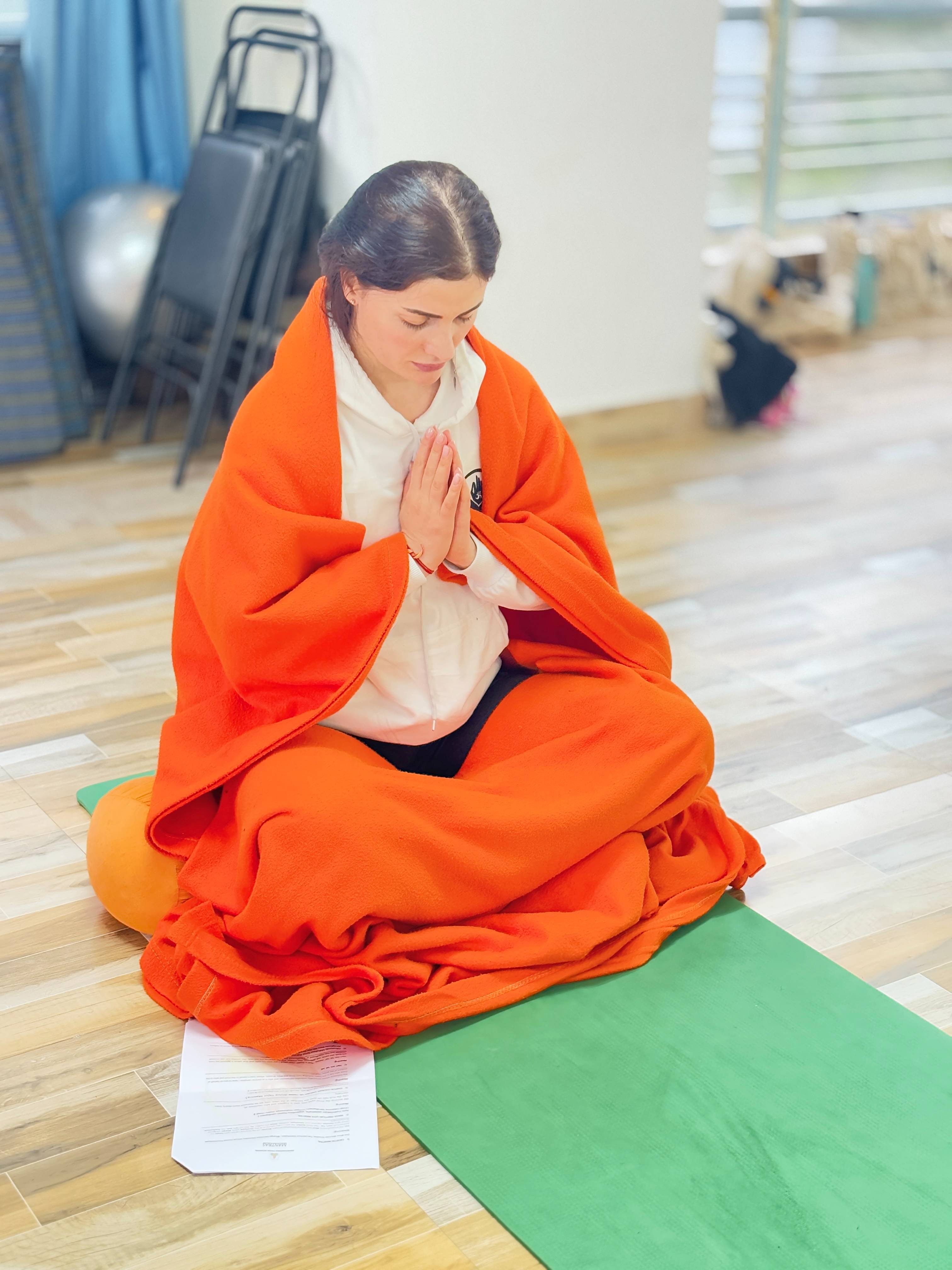
Our Reviews

COURSE CURRICULUM | 100 HOUR KUNDALINI YOGA TEACHER TRAINING :
Kundalini & Tantra
Kundalini, in the ancient yogic tradition, is described as the dormant spiritual energy coiled at the base of the spine, often likened to a sleeping serpent. Through dedicated practice of Kundalini Tantra Yoga, this energy rises upward, passing through the seven chakras
-
Syllabus:
- What is Kundlaini?
- Introduction to Tantra.
- Divisions of Tantra.
- Kundalini and Awakening
- Kriya Yoga
- Nadis
- How Kundalini is an integral part of the Yoga?
- Ayurveda and Kundalini
- Chakras
- Chakra and it's impact on Brain
- Nadis
- Muladhara Chakra
- Swadhistana Chakra
- Manipura Chakra
- Anahata Chakra
Hatha & Yin Asana
Hatha Asana The practice of Haṭha āsanas is not merely physical exercise but a tool to harmonise the body (śarīra), breath (prāṇa), and mind (manas). It purifies the body, strengthens the nervous system, opens the energy channels (nāḍīs), and prepares the practitioner for deeper practices like prāṇāyāma and meditation.
-
Syllabus:
- Surya Namaskar
- Pawanmuktasana series 1
- Pawanmuktasana series 2
- Chandra Namaskar (Moon salutation)
- Tadasana (palm tree pose)
- Triyak tadasana (swaying palm tree pose)
- Trikonasana (triangle pose)
- Parivirtatrikon asana – revolving triangle pose
- Virabhadrasana 1 -warrior 1
- Virabhadrasana 2 -warrior 2
- Virabhadrasana 3 -warrior 3
- Ardha Chandrasana- Half moon pose
- Vrikshasana – tree pose
- Parvatasana – mountain pose
- Adho mukha svanasana – downward facing dog
- Kati chakrasana – waist rotating pose
- Trikonasana (triangle pose)
- Parivirtatrikon asana – revolving triangle pose
- Garudasana – eagle pose
- Baddha Konasana- bound angle pose
Ashtanga Vinyasa
Ashtanga Vinyasa is a dynamic system of yoga that combines asana (posture) , pranayama (breath control) , and vinyasa (breath-synchronized movement) in a structured and flowing sequence. Rooted in the ancient teachings of Patanjali’s Ashtanga (eight-limbed) Yoga , this style was codified and popularized in the modern era by Sri T. Krishnamacharya and his student Sri K. Pattabhi Jois in Mysore, India.
-
Syllabus:
- Surya Namaskar (Alignment, Drishti, Adjustment, Options)
- Surya Namaskar A
- Chandra Namaskar (Moon Salutation)
- Surya Namaskar B
- Padangusthasana
- Padahasthasana
- Utthita Trikonasana
- Parivrtta Trikonasana
- Utthita Parsvakonasana
- Parivrtta Parsvakonasana
- Prasarita Padottanasana A, B, C, D
- Parsvottanasana
- Eka Pada Padangusthasana A, B, C, D
- Ardha Baddha Padmottanasana
- Utkatasana
- Virabhadrasana A & B
- Dandasana
- Paschimottanasana A, B, C, D
- Purvattanasana
- Ardha Baddha Padma Uttanasana
- Triang Mukhaikapada Paschimottanasana
- Janu Sirsasana A, B, C
- Marichyasana A, B, C, D
- Navasana
Pranayama & Meditation
Pranayama Derived from the words prana (vital life force) and ayama (extension or control), Pranayama refers to the conscious regulation and expansion of the vital energy through disciplined breath control. Meditation is the state of meditative absorption, where the mind becomes still, the senses withdraw inward, and the practitioner experiences deeper states of awareness, inner peace, and union with the Self (Ātman or Puruṣa).-
Syllabus:
Pranayama
- Definition of Pranayama
- Four Aspects of Pranayama.
- Asana for the Pranayama
- Sectional Breathings
- Need of Breath.
- Natural Breathing.
- Chandra Bhedi Pranayama (Moon piercing breath)
- Surya Bhedi Pranayama (Sun piercing breath)
- Nadi Shodhana Pranayama (Alternate nostril breath).
Meditation
- Purpose of life & its dimensions.
- Introduction of Meditation.
- Origin & history of Meditation.
- Breath awareness Meditation.
- AUM chanting Meditation.
- Trataka Meditation.
- Dynamic Meditation.
Yoga Philosophy & Life Management
Yoga Philosophy offers a deep understanding of the ancient yogic texts, principles, and ethics, helping students connect the practice on the mat with a meaningful, conscious lifestyle off the mat.-
Syllabus:
Yoga Philosophy
- Three Gunas.
- Cause & types of pain.
- The monkey mind.
- Sanatana Dharma.
- Vedas
- The Six Systems of Indian Philosophy.
- Karma Yoga
- Mantra Yoga.
- Hatha Yoga.
- Raja Yoga.
- Purpose of life & its dimensions.
- Importance of Self-Evaluation.
- Duties & Commitment of Self, Family and Society.
- Adjustment with Self &Environment.
- Positive way of thinking.
- Tools & techniques for Positive thinking.
- Karma & Karma Phal Sidhanta.
- Behavioural Skill.
Adjustment & Alignment and Bio Mechanics
Adjustment & Alignment and Bio Mechanics is the art and science of guiding students safely and effectively into postures using hands-on corrections, verbal cues, and a deep understanding of how the body moves. It bridges the gap between traditional yogic practice and modern movement science to help teachers build safer, more intelligent classes.-
Syllabus:
- Principles of hands-on adjustment — when, how, and when not to touch
- Verbal and visual cueing techniques for precise alignment correction
- Biomechanical analysis of key standing, seated, forward, and backbend postures
- Common misalignments and their root causes in different body types
- Safe adjustment protocols for hypermobile, injured, and beginners students
Ayurveda & Life-Style
Derived from the Sanskrit words āyus (life) and veda (knowledge or science), Āyurveda means “the science of life.” It is an ancient holistic system of health and healing that emphasizes harmony between body, mind, spirit, and environment. Ayurveda offers personalized guidance on diet (āhāra), daily routines (dinacharyā), seasonal practices (ṛtucharyā), and natural therapies to maintain or restore balance.-
Syllabus:
- History of Ayurveda.
- Branches of Ayurveda.
- Pillars of Ayurveda.
- Ayurveda & Health.
- Tri-Doshas & Body Types.
- Tastes & Diet.
Your Checklist
Included!
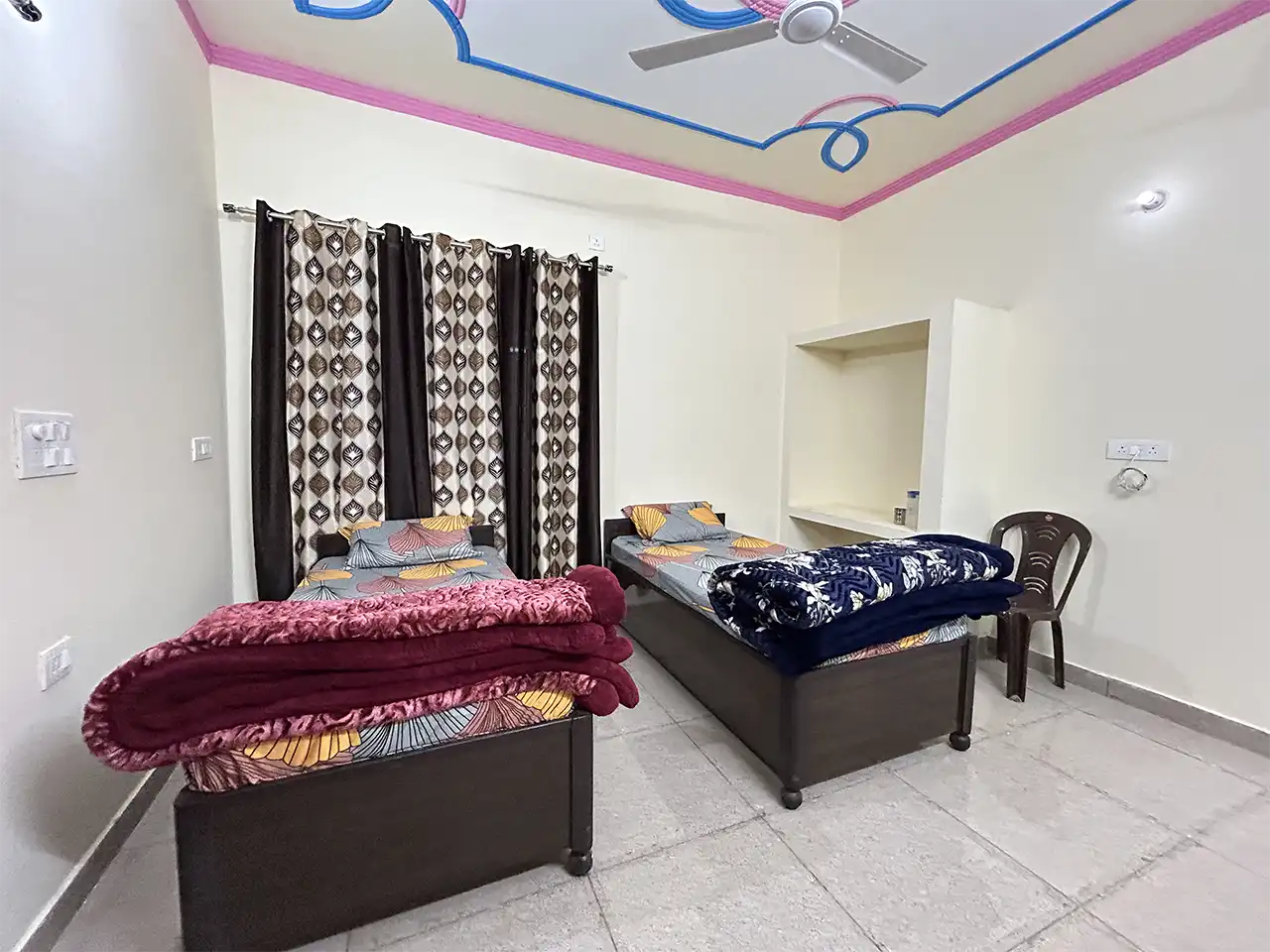
| 13 Days & 12 Nights Accommodation |
|---|
| Yoga material |
| Excursion |
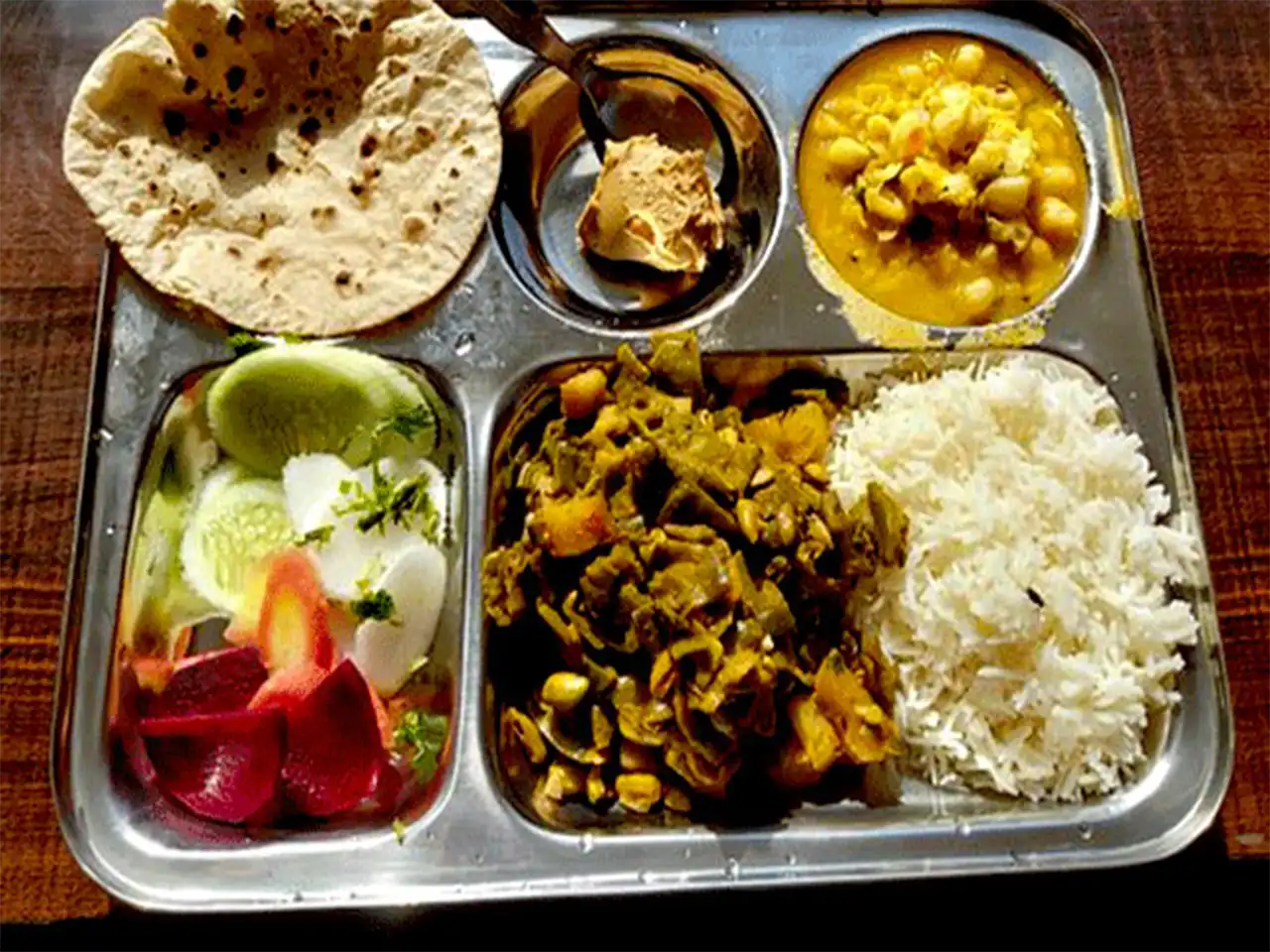
| Daily, 3 times, yogic food and tea |
| Pick-up or drop-off (DED airport) (except for those who book the dorm room) |
Not Included
| Air-conditioner / Room Heater (On Additional Charges) |
|---|
| Visa fee/Air fare/Taxi pick-up from Delhi, Haridwar |
Packing
| Carry a valid Identification Card. |
|---|
| Carry your toiletries. Also You can Buy From Here with the nearby Shops. |
| Carry personal towels and hygiene items, metal water bottle. |
| Carry a hand towel, an universal adapter for charging the devices. |
Packing
| Carry your own yoga mat if possible. The school also provides yoga mats for sharing. |
|---|
| Carry a raincoat or umbrella. |
| Bring comfortable clothes for yoga classes. Avoid Leggings and other tights or synthetic materials. |
| Bring one pair of white clothes for the ceremony. |
| Sandals or flip-flops. |
| Also bring some clothes which cover the body, in case you want to visit the temples. |
| Carry a hand towel, an universal adapter for charging the devices. |
Namaste and we look forward to guiding you on your yoga journey at
Ishavasyam Yoga School.
Contact Us!
Register Now
FAQs - 100 Hours Yoga Teacher Training Course
Ishavasyam Yoga School focuses on the quality of education, to maintain it the maximum strength of a batch is between 10-12 Students / batch.
The closest airport to school is Jolly Grant Airport - Dehradun.
Yes there will be an written and practical exam at the end.
Absolutely! We encourage you to explore additional subjects by attending our demo class and seamlessly integrating them into your current course.
School provide the study material upon the arrival. If you want you can bring your yoga mat but not necessary.
Sure, you can shift the date of joining in any upcoming course dates within upcoming 12 months from the booking month.(Note: You can only change the dates twice)
Yes, if you are unable to join the course within a year, you will need to register again and pay the booking amount.
Yes, you are welcome to stay longer after the course! Please let us know in advance, and we can assist with the necessary arrangements.
Yes, accommodation is typically shared with the same gender, except in the common dorm or if you are opting for a room specifically for couples or friends.
Photo Gallery
Accommodation Gallery